Restore Strength, Return to What You Love
Move Freely, Live Confidently
Precision That Helps You Move Better
Start Your Recovery
Advanced Joint Care
Robotic Precision. Personalised Joint Care.
Complete Patient Care
Support from diagnosis and surgical planning through rehabilitation and recovery.
Core Orthopaedic Services
Joint replacement, sports injuries, arthroscopy, complex trauma and general orthopaedics.
Robotic Treatment Options
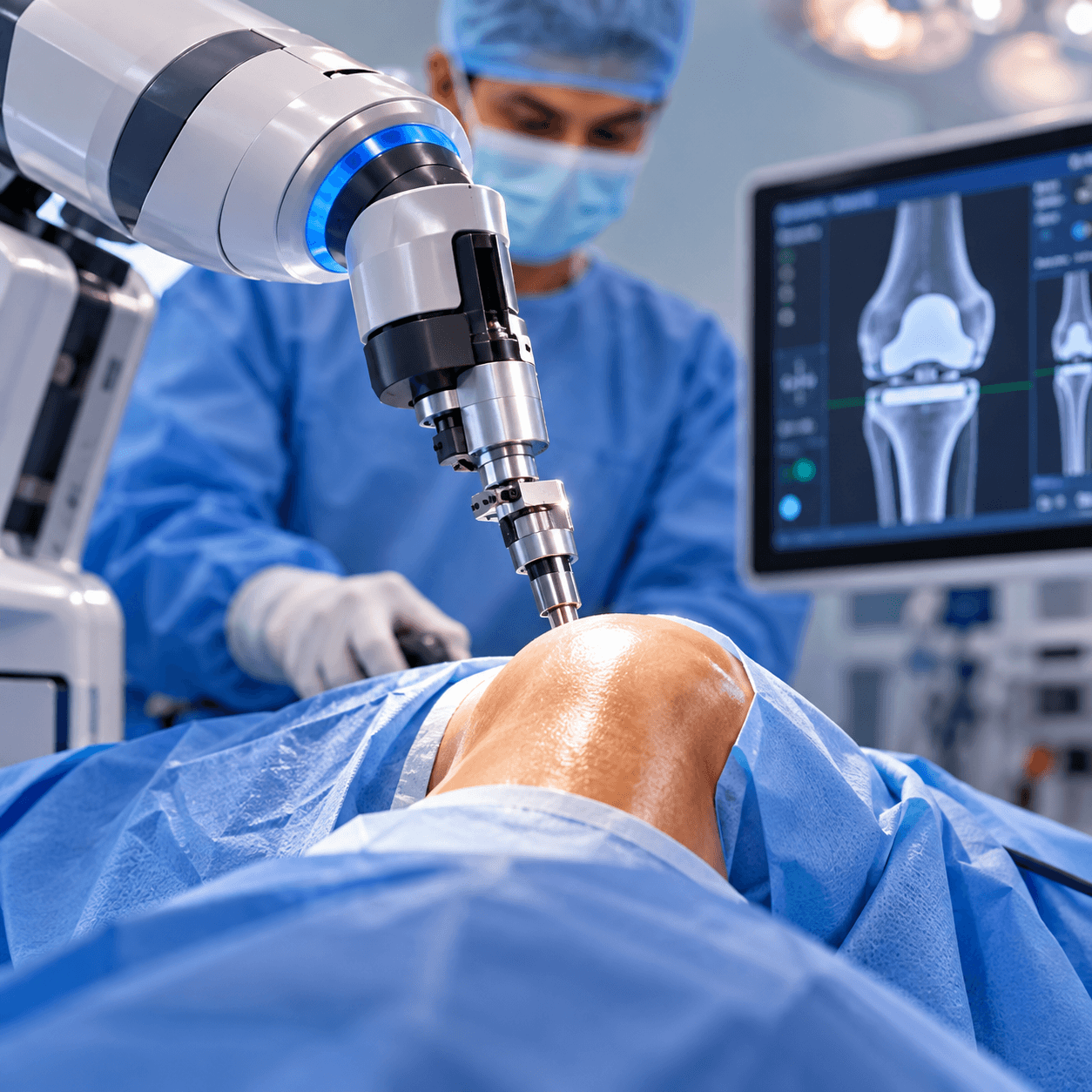
Total knee, partial knee and total hip replacement using MAKO technology.

Key Joint Specialities
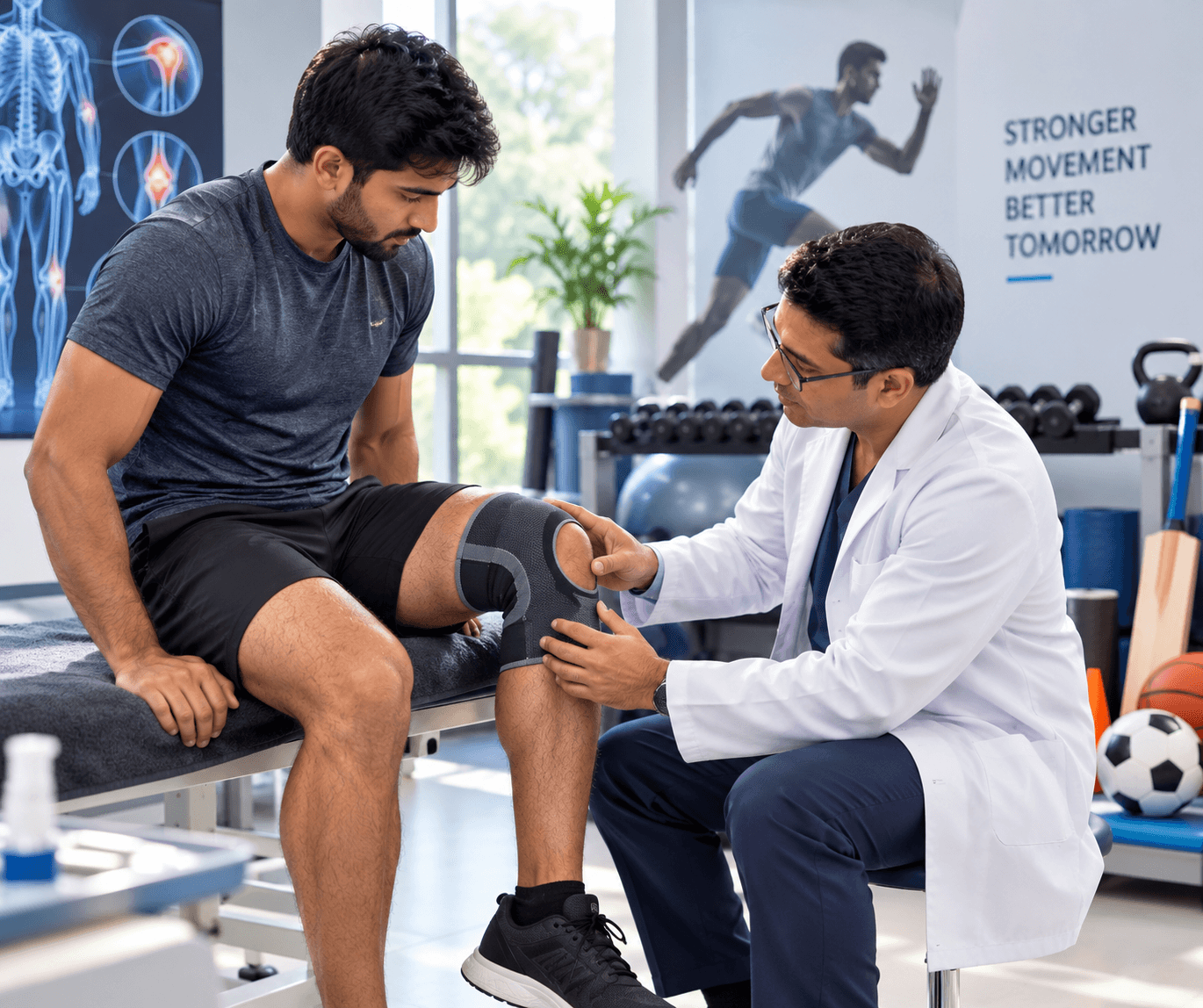
Advanced care for knee, hip and sports-related joint conditions.
Stages of Recovery Care
Diagnosis, surgical planning and guided rehabilitation for better recovery.
Advanced Orthopaedic Care for Pain-Free Movement
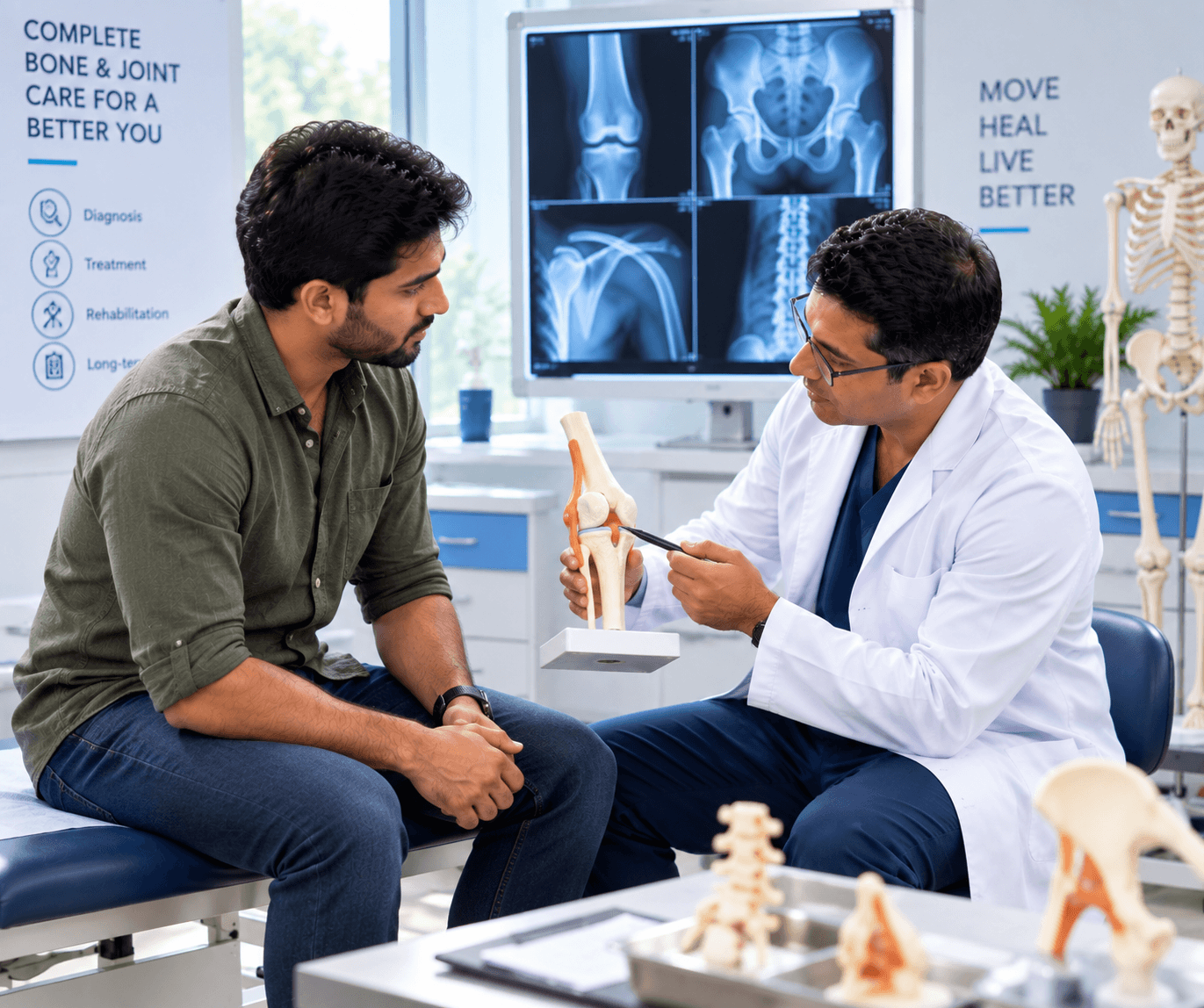
Clear Decisions. Precise Treatment.
Care Focused on Your Recovery.
In-Depth Evaluation
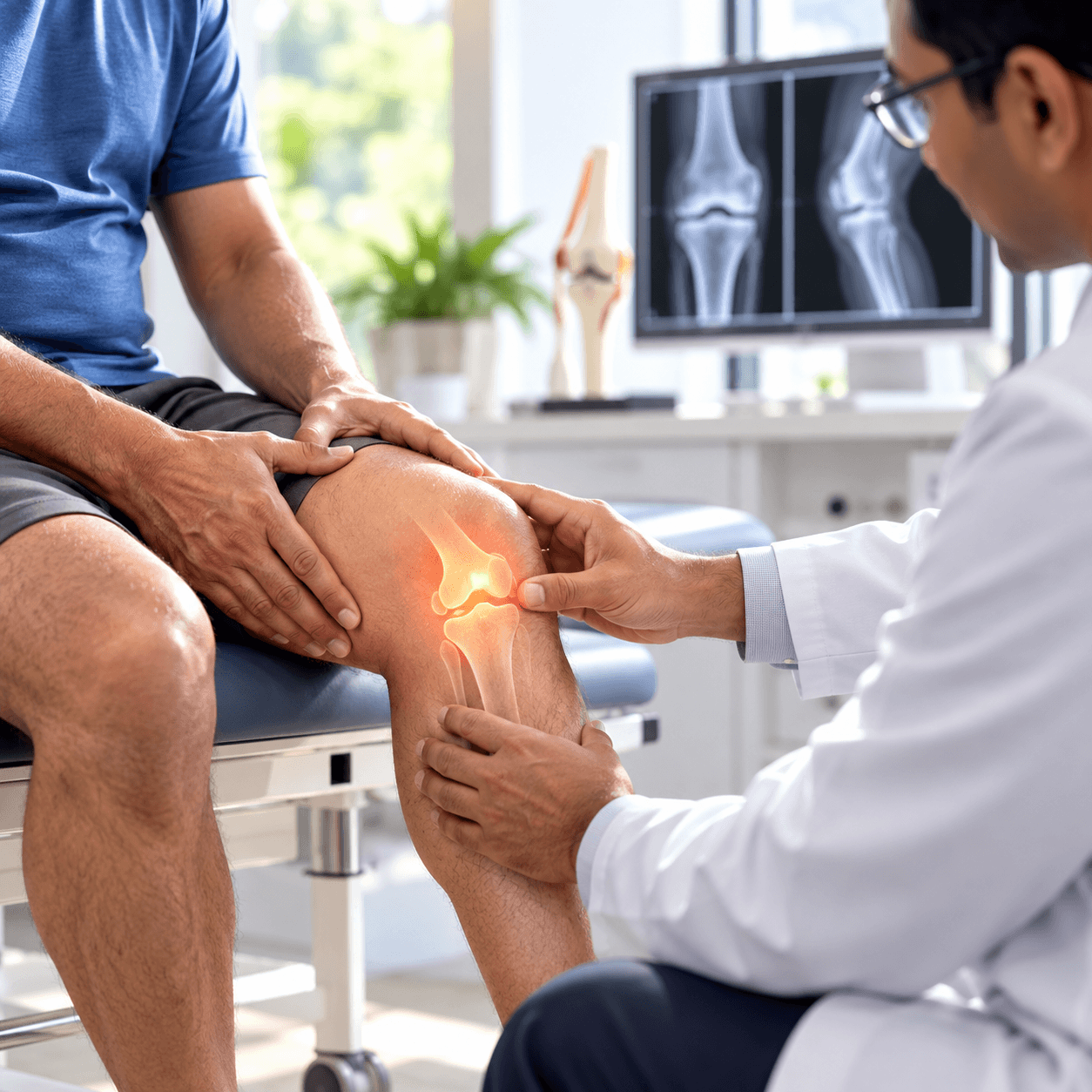
We thoroughly assess your condition through physical exams and focused conversations to understand your unique needs.
Transparent Guidance
We keep you informed at every step, explaining your treatment clearly to build trust and confidence in your healing journey.
Compassion & Care
We respect your individual path and progress, offering patient-centered support that adjusts to your evolving needs.
Detailed Records
Every session is carefully documented to track your improvement and ensure consistency and accuracy in your care.
Our Promise
Evidence-Based Decisions
Treatment recommendations are guided by clinical findings, imaging and established orthopaedic principles.
Precision Where It Matters
Advanced technology, including MAKO robotics when appropriate, supports accurate surgical planning.
Surgery Only When Needed
Surgery is recommended only when it offers meaningful benefit over appropriate non-surgical care.
Complete Orthopaedic Support
Care extends from diagnosis and treatment planning through surgery, rehabilitation and recovery.
Our Approach
What Our Patients Say About Their Journey
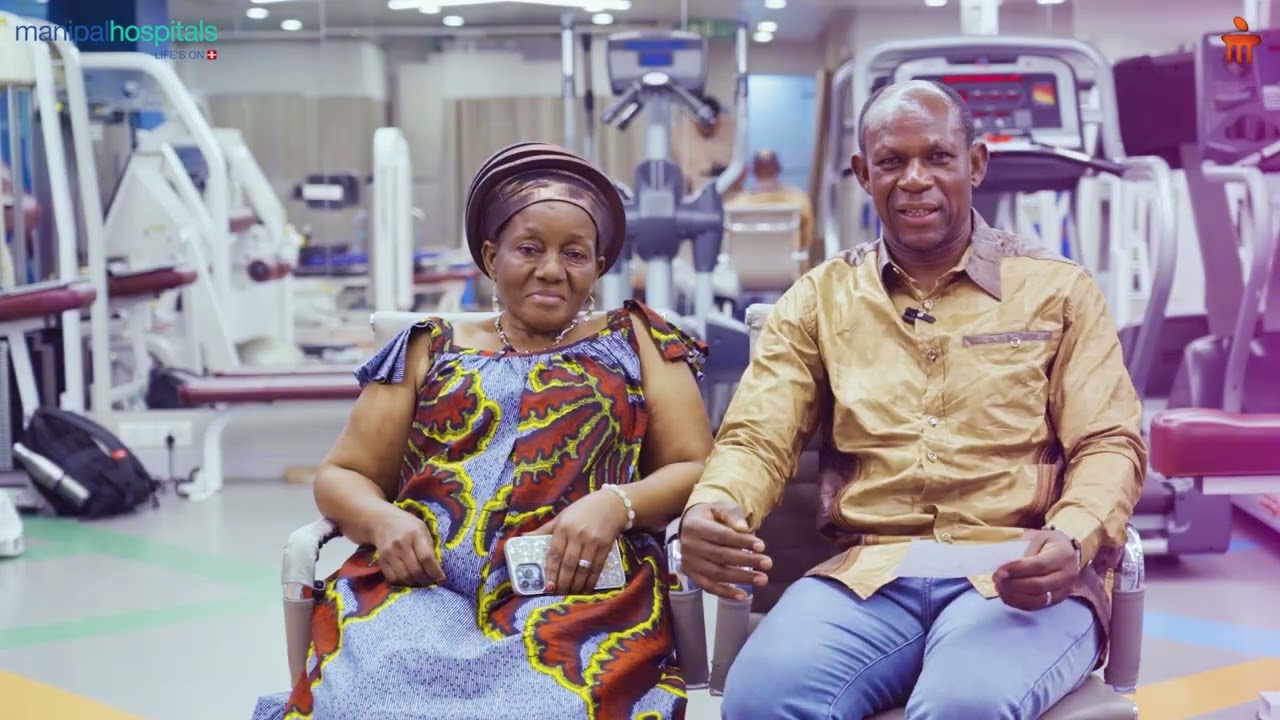
Mrs. Alfosine Walks Again
Read Full Story→
Mauritian Patient Walks Again
Read Full Story→
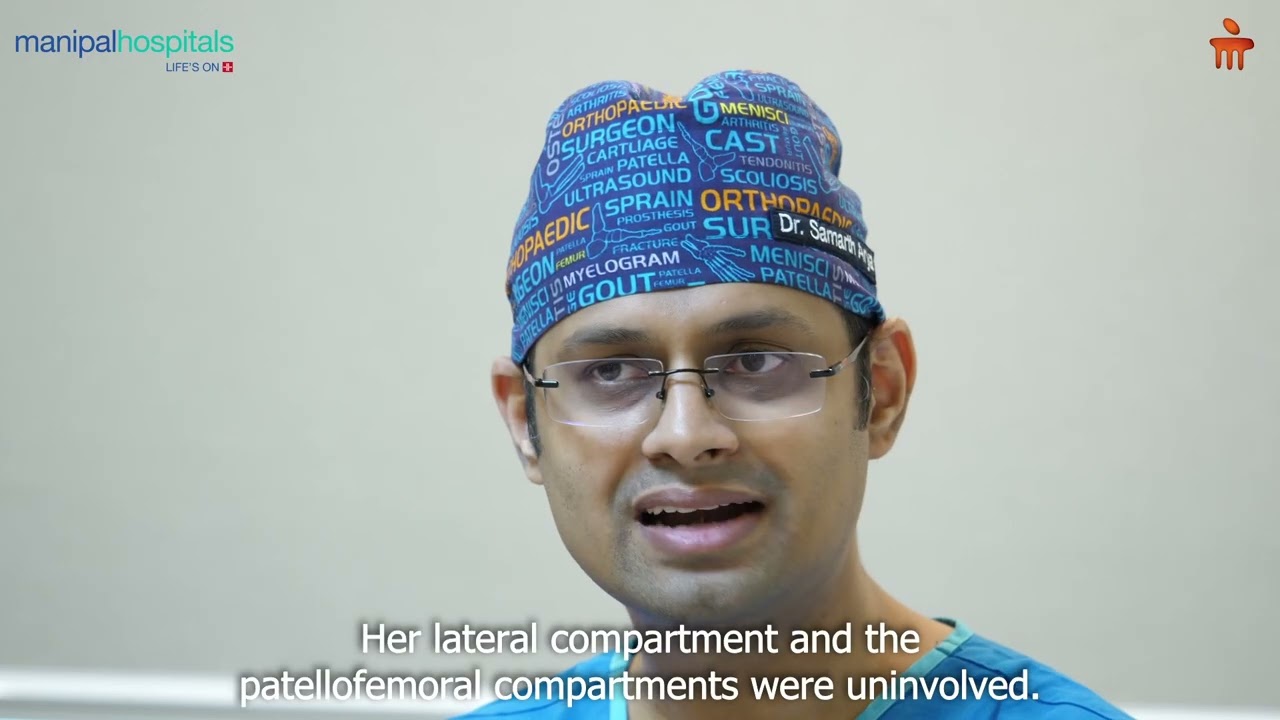
Mrs. Anima Roy’s Robotic Partial Knee Surgery
Read Full Story→

Neelu Devi Walks Again
Read Full Story→

Mrs. Sunanda Merwade, knee replcement surgery
Read Full Story→
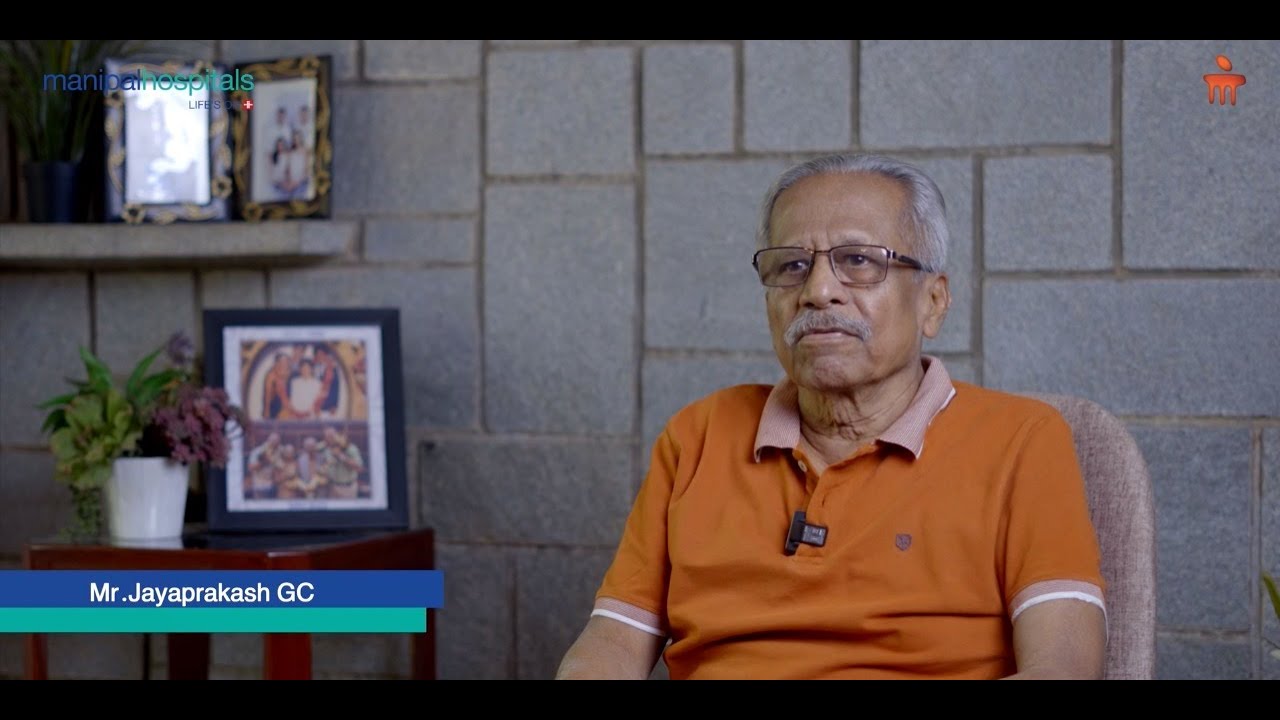
Mr. Jayaprakash | Robotic Knee Replacement
Read Full Story→
Commonly Asked Questions
When Should I Consult an Orthopaedic Surgeon?
Consult an orthopaedic surgeon for persistent joint pain, swelling, stiffness, difficulty walking, sports injuries or reduced movement affecting daily life. Dr. Samarth Arya provides personalised orthopaedic care in Bengaluru.
Is Robotic Joint Replacement Suitable for Everyone?
Not every patient needs robotic joint replacement. Suitability depends on joint damage, symptoms, scans, age and overall health. A detailed evaluation helps determine the appropriate treatment.
How Long Does Recovery Take After Joint Replacement?
Recovery after knee or hip replacement varies for each patient. Guided movement usually begins soon after surgery, followed by physiotherapy and gradual improvement over the following weeks and months.
Is Physiotherapy Required After Orthopaedic Surgery?
Physiotherapy is an important part of recovery. It helps improve strength, flexibility, balance and joint movement after robotic knee replacement, hip replacement and other orthopaedic procedures.
What Should I Bring to My First Consultation?
Bring previous X-rays, MRI or CT scans, medical reports, current medication details and information about earlier treatments or surgeries. These help the doctor understand your condition clearly.
Are Joint Replacement Procedures Covered by Insurance?
Many medically necessary knee and hip replacement procedures may be covered by health insurance. Coverage varies by policy and hospital, so confirm eligibility and documentation requirements with your insurer.
How Do I Prepare for Joint Replacement Surgery?
Preparation may include medical tests, medication review, fitness assessment and guidance on exercises, diet and home arrangements. Dr. Samarth Arya provides instructions based on your health and procedure.
How Soon Can I Walk After Knee or Hip Replacement?
Many patients begin standing and walking with support soon after surgery. The exact timing depends on the procedure, overall health and advice from the surgical and physiotherapy team.
Is Pain Normal After Joint Replacement Surgery?
Some pain, swelling and stiffness are expected during the initial recovery period. Medication, ice therapy, movement and physiotherapy are used to manage discomfort and support gradual recovery.
How Long Will I Need Physiotherapy After Surgery?
The duration of physiotherapy varies according to your surgery, strength and recovery progress. Regular exercises help restore mobility, improve muscle strength and support a safer return to daily activities.
When Can I Return to Work and Normal Activities?
Return-to-work time depends on the procedure, type of work and individual recovery. Desk work may resume earlier than physically demanding work. Always follow your surgeon’s personalised guidance.
What Warning Signs Should I Watch for After Surgery?
Contact your medical team if you develop increasing pain, excessive swelling, wound discharge, persistent fever, breathing difficulty or sudden calf pain. Prompt medical assessment may be necessary.
What Orthopaedic Conditions Does Dr. Samarth Arya Treat?
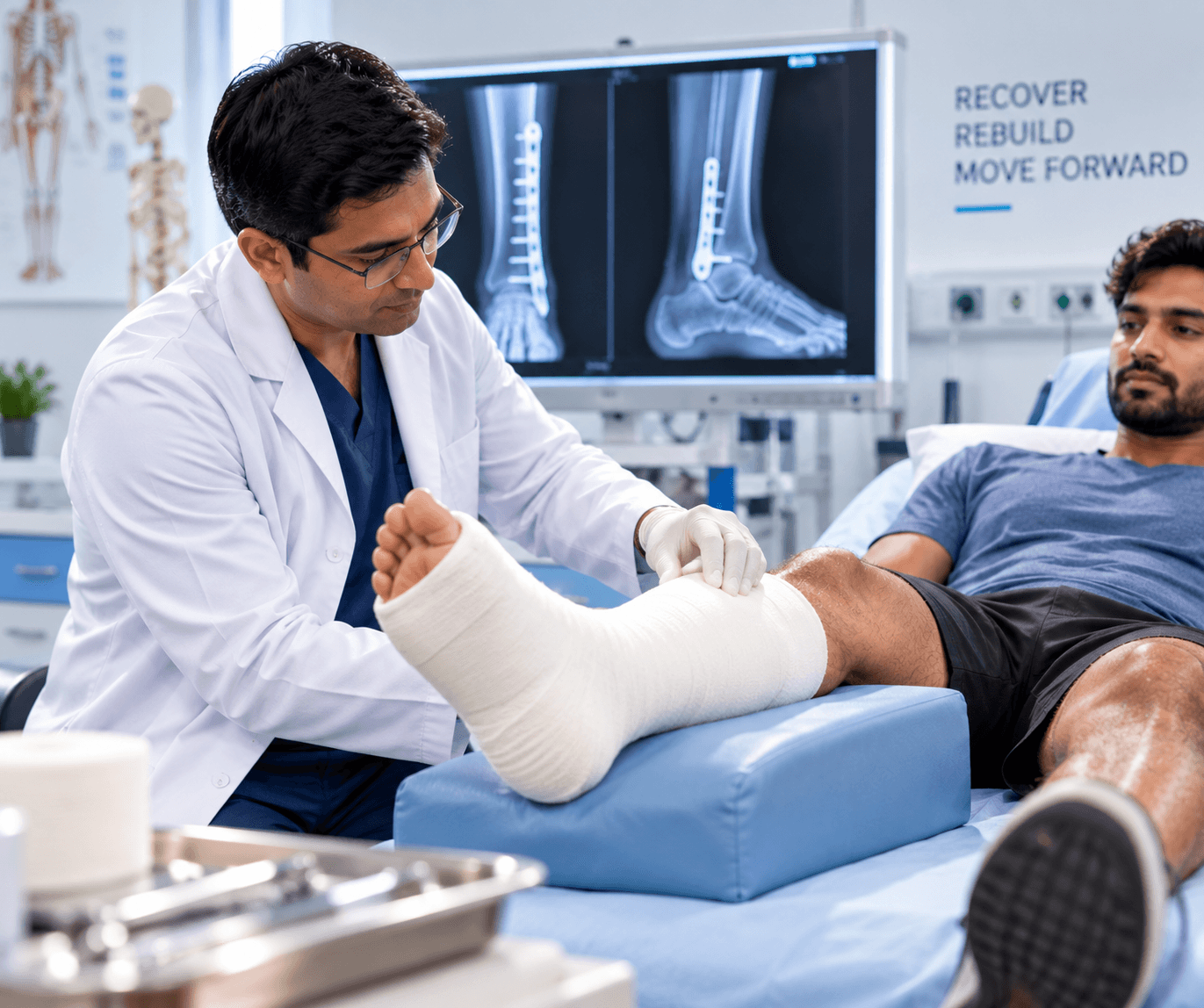
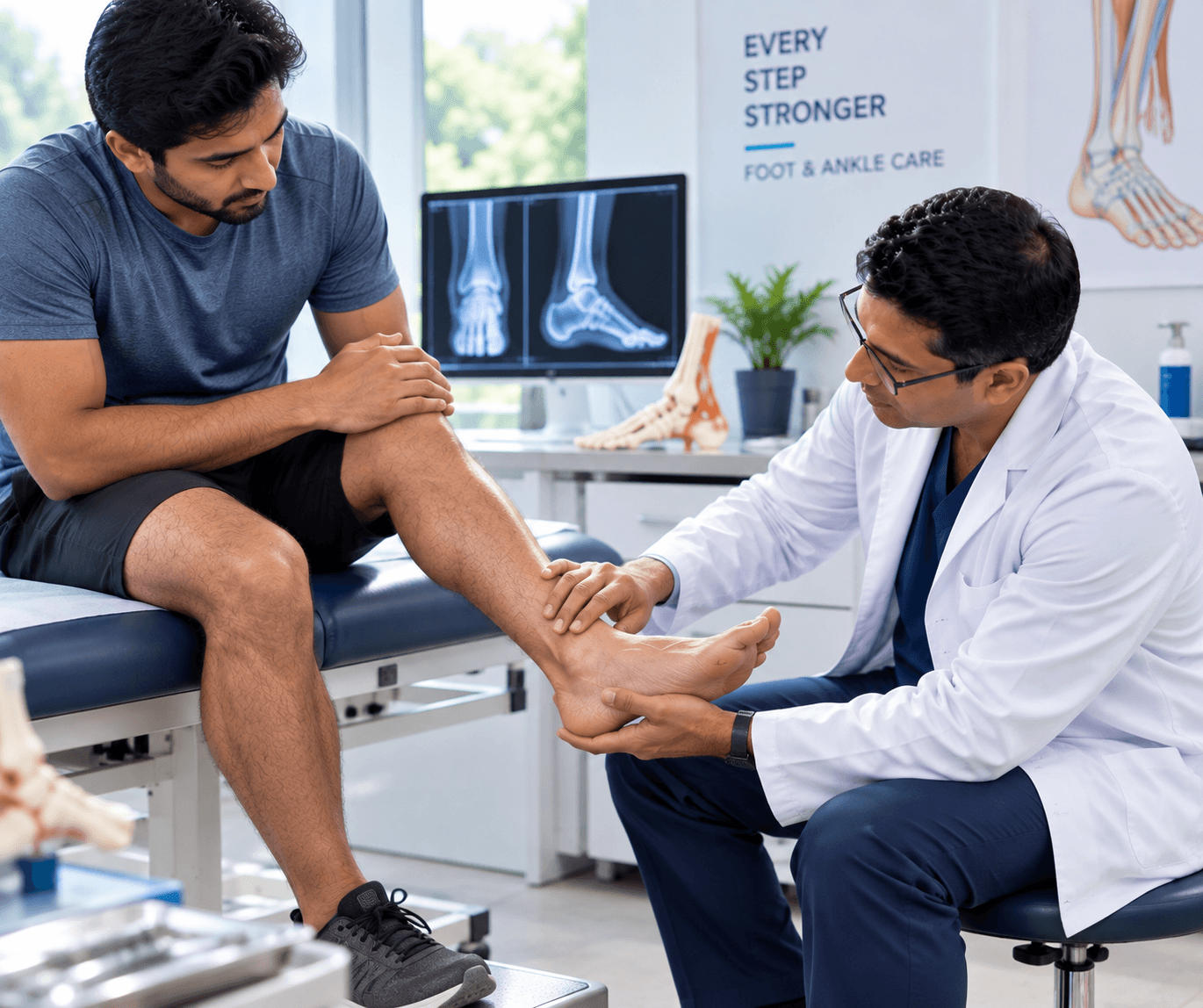
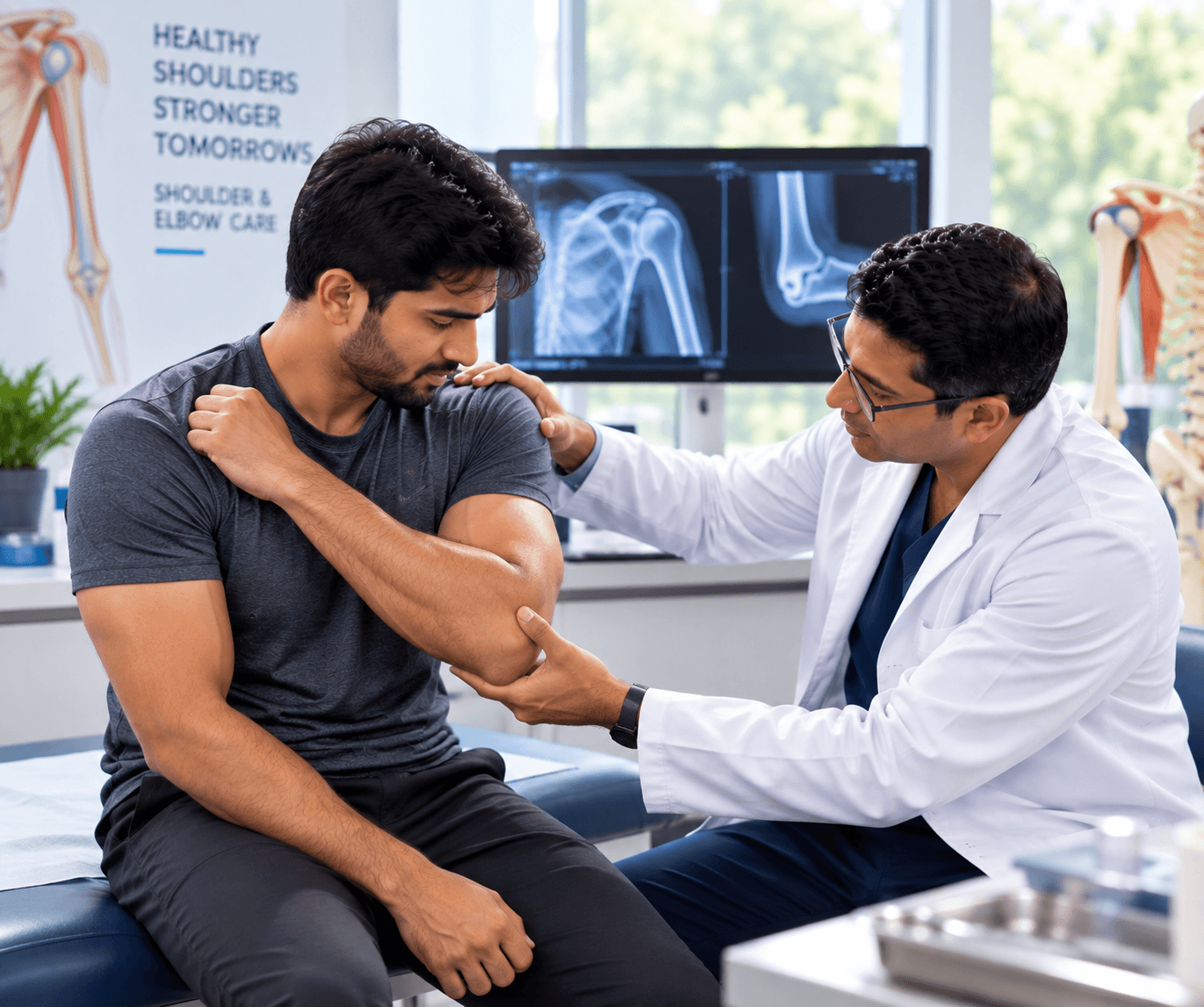
Dr. Samarth Arya treats knee and hip problems, sports injuries, fractures, trauma, shoulder and elbow conditions, and foot and ankle disorders.
What Is Robotic Knee Replacement Surgery?
Robotic knee replacement uses advanced technology to support precise surgical planning and implant positioning based on the patient’s anatomy. The surgeon remains in control throughout the procedure.
What Is the Difference Between Partial and Total Knee Replacement?
Partial knee replacement treats only the damaged portion of the knee, while total knee replacement replaces all affected joint surfaces. The right option depends on the location and extent of damage.
Can Sports Injuries Be Treated Without Surgery?
Many sports injuries can be managed with rest, medication, physiotherapy, activity modification or injections. Surgery may be considered when the injury is severe or does not improve with conservative treatment.
When Is Hip Replacement Recommended?
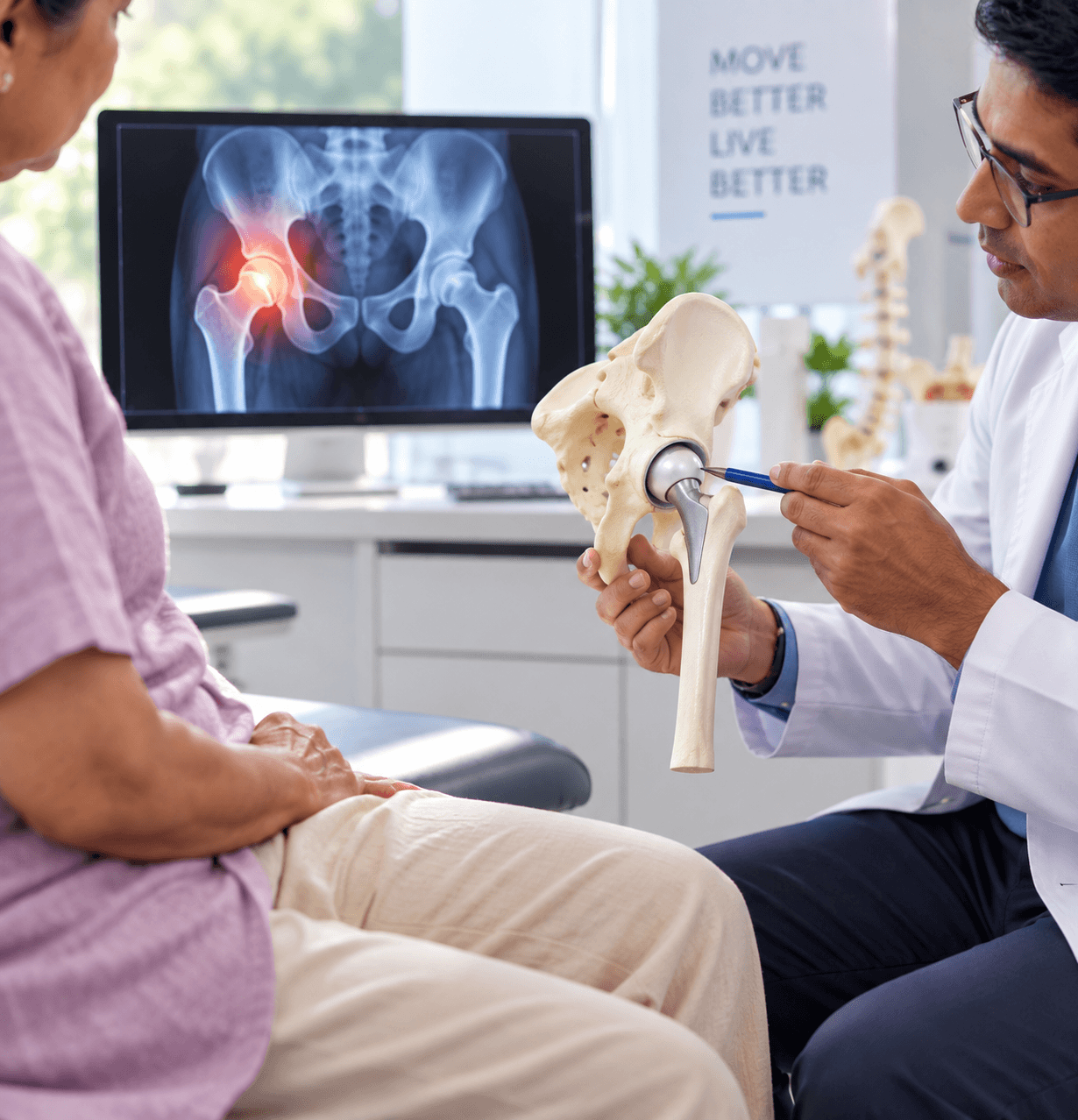
Hip replacement may be considered when severe arthritis or joint damage causes persistent pain, stiffness and difficulty walking despite appropriate non-surgical treatment.
Do All Fractures Require Surgery?
No. Some fractures heal with immobilisation, medication and rehabilitation. Surgery may be required when the bone is displaced, unstable, involves a joint or cannot heal correctly without fixation.